Your cat's food bowl might be harboring dangerous secrets. While the pet food industry continues to prioritize profits over feline health, many commercial cat foods contain ingredients that can seriously compromise your cat's wellbeing: from kidney damage to cancer-causing chemicals.
The truth is, cats have evolved as obligate carnivores with specific nutritional requirements that most mainstream brands completely ignore. Instead, they pack their formulas with cheap fillers, toxic preservatives, and industrial chemicals that have no business being in your cat's diet.
It's time to expose the ingredients that are slowly poisoning our feline companions and arm yourself with the knowledge to make truly informed decisions about your cat's nutrition.
⚠️ Chemical Preservatives: The Silent Killers
BHA and BHT: The Cancer Connection
Butylated hydroxyanisole (BHA) and butylated hydroxytoluene (BHT) are synthetic antioxidants used to prevent fats from going rancid. Here's what the pet food industry won't tell you: these chemicals are classified as possible human carcinogens by the International Agency for Research on Cancer.
In cats specifically, BHA and BHT have been linked to:
- Liver and kidney damage
- Allergic reactions and skin conditions
- Potential carcinogenic effects
- Disruption of hormonal balance
The deception runs deeper: while these preservatives may extend shelf life, they're completely unnecessary when natural alternatives like vitamin E (mixed tocopherols) exist and work just as effectively.
Ethoxyquin: The Pesticide in Your Cat's Bowl
Originally developed as a rubber stabilizer and pesticide, ethoxyquin somehow found its way into pet food as a preservative. Studies have shown this chemical can cause:
- Kidney and liver dysfunction
- Immune system suppression
- Skin and coat problems
- Reproductive issues
Propylene Glycol: Banned but Still Dangerous
The FDA specifically banned propylene glycol in cat food after discovering it causes Heinz body anemia: a condition where red blood cells are damaged and can't carry oxygen effectively. Yet some manufacturers still use it in treats and semi-moist foods. This industrial chemical belongs in antifreeze, not your cat's diet.
🚫 Fillers and Fake Nutrition: The Great Grain Deception
Corn, Wheat, and Soy: The Allergy Trio
These cheap plant-based fillers serve one purpose: padding the manufacturer's profit margins. For your cat, they represent nothing but trouble:
Corn: Difficult for cats to digest, often genetically modified, and a common allergen that can trigger skin conditions and digestive upset.
Wheat: Contains gluten that many cats cannot properly process, leading to inflammatory bowel conditions. The 2007 melamine scandal revealed wheat gluten contaminated with industrial chemicals that killed thousands of pets.
Soy: A known endocrine disruptor that can interfere with thyroid function: particularly dangerous for cats who are already prone to hyperthyroidism.
Meat By-Products: The Mystery Meat Problem
When you see "meat by-products" on a label, you're looking at the parts of animals deemed unfit for human consumption. This can include:
- Diseased or dying animals
- Roadkill
- Euthanized pets (a horrifying reality the industry tries to hide)
- Restaurant grease and expired grocery store meat
Your cat deserves named, quality protein sources: not this nutritional roulette wheel.
🍭 Sweet Lies: Why Sugar Has No Place in Cat Food
Cats cannot taste sweetness and have no biological need for carbohydrates, yet many commercial foods are loaded with sugars to appeal to human preferences rather than feline nutrition.
The Sugar Lineup to Avoid:
- Corn syrup and high fructose corn syrup
- Glucose and dextrose
- Caramel and molasses
- Sucrose and fructose
These empty calories directly contribute to:
- Feline diabetes (now epidemic among housecats)
- Obesity and related joint problems
- Dental disease and tooth decay
- Food addiction and begging behaviors
- Blood sugar spikes and crashes
The manipulation is obvious: manufacturers add sugar to create palatability while completely ignoring what cats actually need to thrive.
🎨 Artificial Colors and Flavors: Toxic Rainbow
Chemical Dyes: Pretty Poison
Red 40, Yellow 5, Blue 2: these artificial colors exist solely to make food more appealing to humans. Your cat doesn't care if their food is rainbow-colored, but their body certainly suffers from these petroleum-based chemicals.
Artificial dyes have been linked to:
- Hyperactivity and behavioral changes
- Allergic reactions
- Potential carcinogenic effects
- Digestive inflammation
Titanium Dioxide: The DNA Destroyer
Used as a whitening agent, titanium dioxide is an industrial chemical that can cause chromosomal damage when ingested. Studies show it can lead to DNA damage, inflammation, and potentially cancer-causing cellular changes.
🛢️ Problematic Fats and Oils: The Wrong Kind of Energy
Animal Fats from Unknown Sources
Generic "animal fat" or "poultry fat" often comes from rendering plants that process deceased, diseased, or dying animals. These low-quality fats can contain:
- Bacterial contamination
- Rancid oils that damage cells
- Unknown chemical residues
- Inflammatory compounds
Vegetable Oils: Nutritionally Useless for Cats
Cats cannot efficiently convert plant-based omega-3 fatty acids into the EPA and DHA their bodies need. Ingredients like:
- Flax oil
- Canola oil
- Safflower oil
- Sunflower oil
These provide no meaningful nutrition for obligate carnivores and often contribute to inflammation and digestive upset.
🧪 Thickeners and Texture Agents: Industrial Additives
Carrageenan: The Intestinal Irritant
Derived from seaweed, carrageenan is used to create gel-like texture in canned foods. Research shows this seemingly "natural" ingredient can cause:
- Intestinal inflammation and ulceration
- Digestive tract lesions
- Increased cancer risk in laboratory studies
- Inflammatory bowel conditions
Guar Gum and Xanthan Gum: Protein Blockers
These industrial thickeners actually decrease protein digestibility: the exact opposite of what cats need. They provide zero nutrition while potentially causing digestive distress and blocking absorption of essential amino acids.
☠️ Foods That Should Never Touch Cat Lips
Some ingredients are outright toxic to cats and should never appear in any pet food:
Alliums (Onions and Garlic): Even in powder form, these can cause hemolytic anemia by destroying red blood cells.
Grapes and Raisins: Highly toxic and can cause sudden kidney failure in cats.
Chocolate and Caffeine: Contain theobromine and caffeine, which cats cannot metabolize properly.
Raw Yeast Dough: Expands in the stomach and produces alcohol as it ferments, causing potentially fatal gastric dilatation.
Artificial Sweeteners: Xylitol and other sugar substitutes can cause severe hypoglycemia and liver damage.
✅ What Your Cat Actually Needs: The Royal Treatment
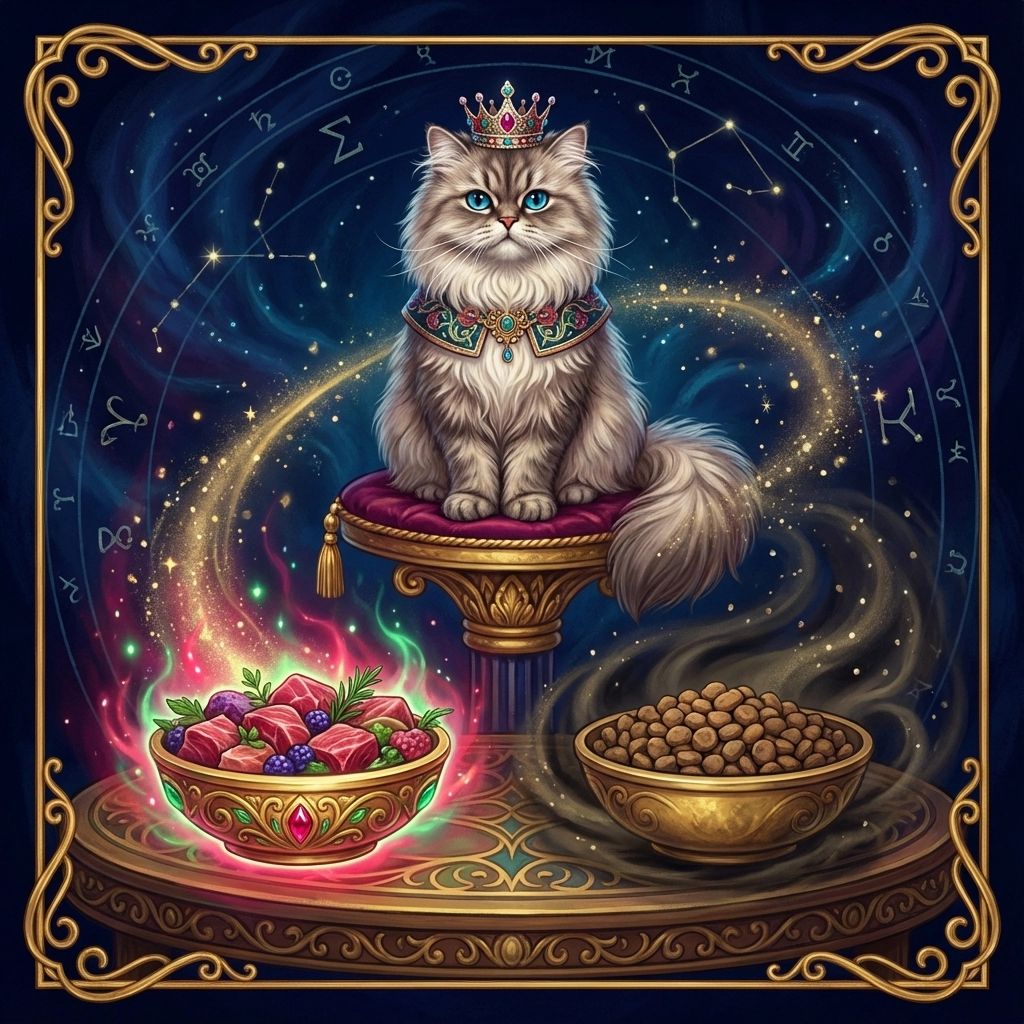
Instead of focusing solely on what to avoid, here's what to seek in quality cat nutrition:
Named Protein Sources: Look for "chicken," "salmon," or "turkey" rather than vague "meat" or "poultry."
Organ Meats: Liver, heart, and kidney provide essential vitamins and minerals that muscle meat alone cannot supply.
Natural Preservatives: Vitamin E (mixed tocopherols), vitamin C (ascorbic acid), and rosemary extract effectively preserve food without health risks.
Chelated Minerals: Minerals bound to amino acids for superior absorption, such as zinc proteinate or copper chelate.
Limited Ingredients: Fewer components mean easier identification of potential allergens and better digestibility.
🐾 Taking Action: Your Cat's Health is Non-Negotiable
The pet food industry counts on consumer confusion and brand loyalty to continue selling nutritionally bankrupt products. But armed with this knowledge, you can cut through the marketing deception and choose foods that truly support your cat's health.
Start by reading every ingredient label with new eyes. Question marketing claims like "natural" and "premium" that have no legal standards. Seek out companies that prioritize transparency and are willing to share detailed sourcing information.
Your cat's health depends on the choices you make today. Every meal is an opportunity to either nourish or harm; the power is entirely in your hands.
Remember: Always consult your veterinarian before making changes to your cat's diet or health routine. Your vet can provide personalized guidance based on your cat's specific health needs, age, and medical history.


